How Cold Process Soap Is Made: Behind The Scenes

How Cold Process Soap is Made

At La Zouch Soaps, every bar tells a story of craftsmanship, sustainability, and skin-loving ingredients. One of the most traditional and rewarding methods we use is the cold process technique. It’s a slow, deliberate art that transforms natural oils and butters into luxurious soap without the need for external heat. Want to know how cold process soap is made? Let’s take you behind the scenes.

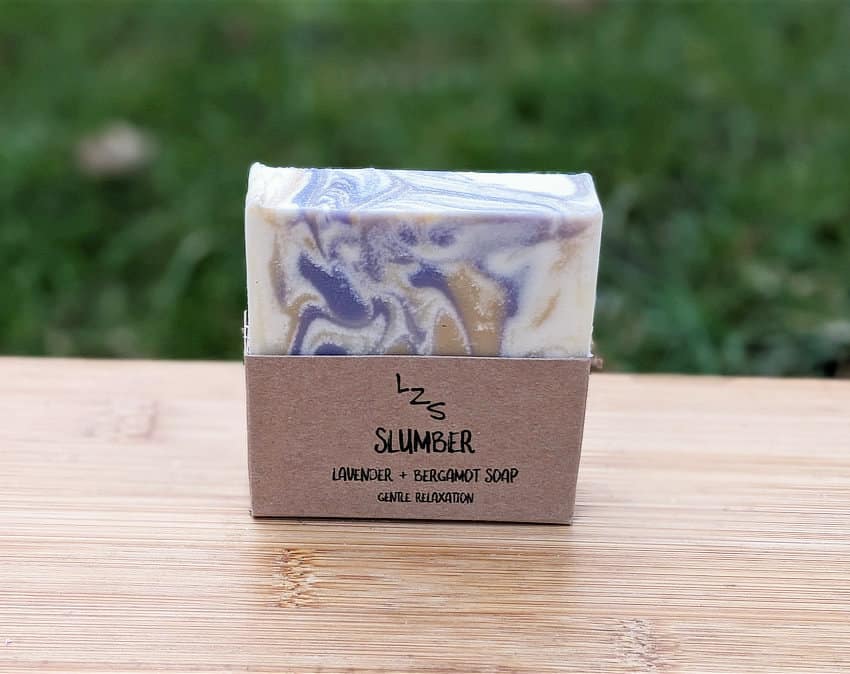
handmade shea butter soap with lavender essential oil
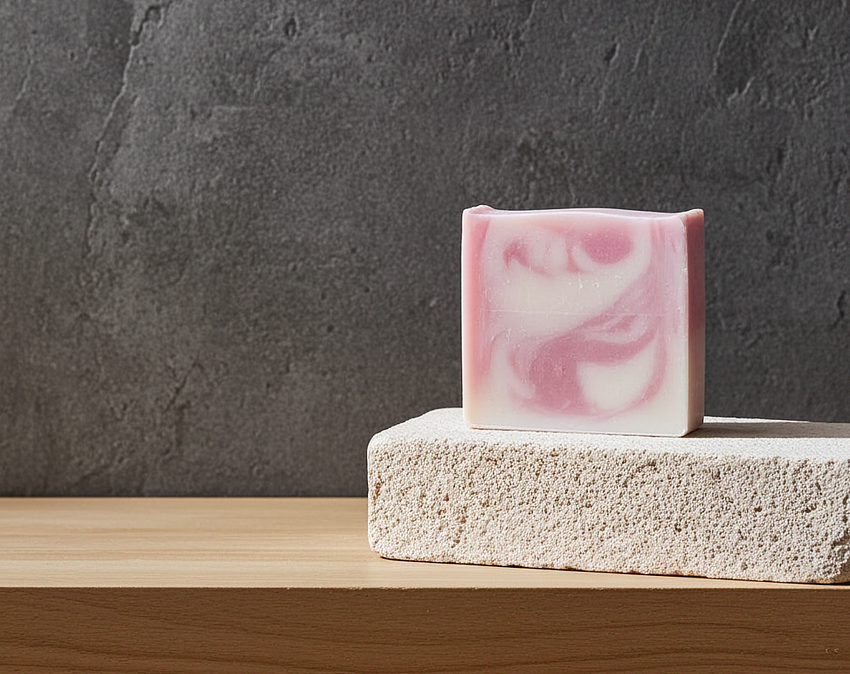
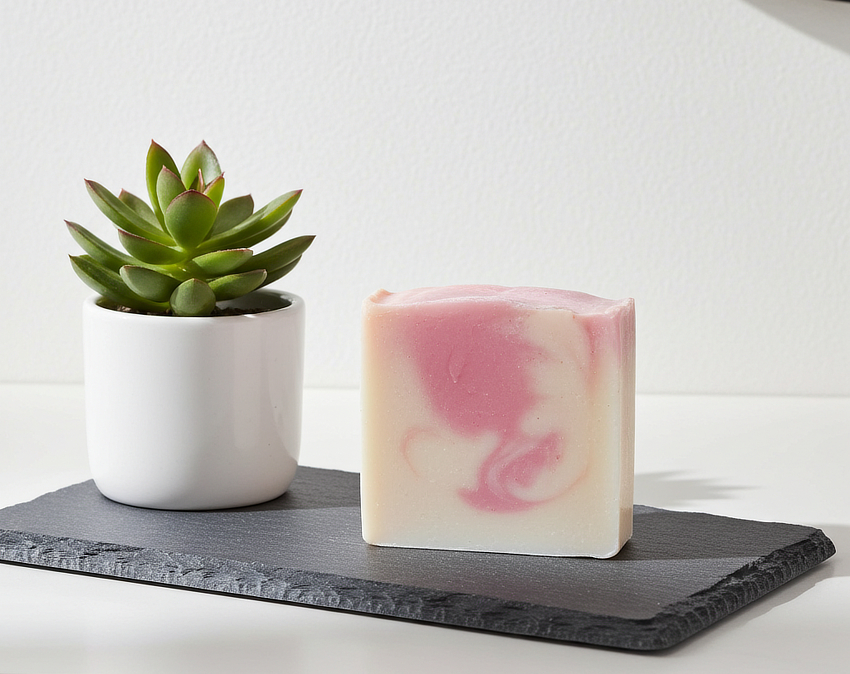
handmade shea butter soap with pink pepper, bergamot and pink grapefruit essential oils
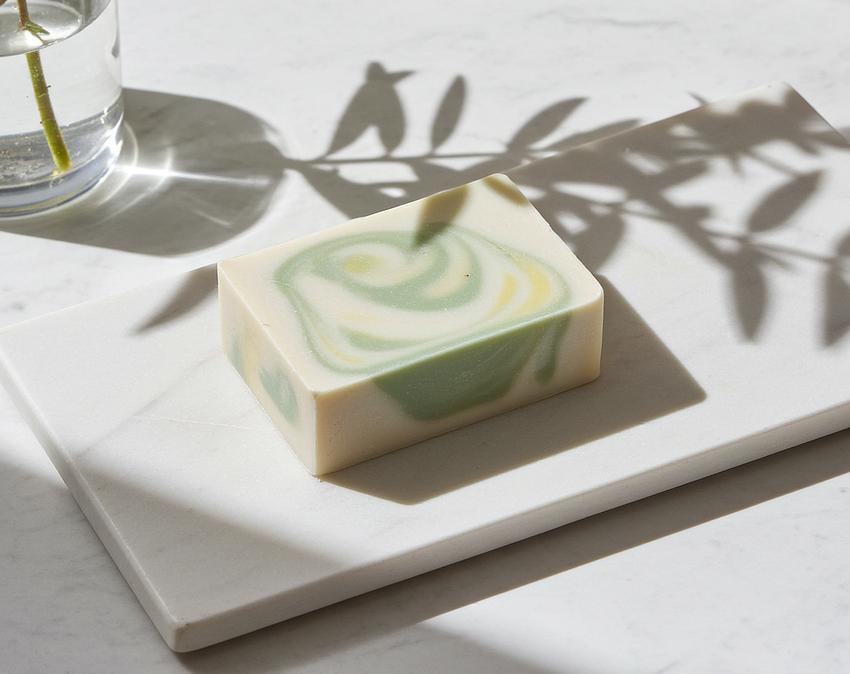
handmade shea butter soap with rose geranium essential oil

What Is Cold Process Soap?

Cold process soap is made by combining oils or fats with a lye solution (sodium hydroxide mixed with water), triggering a chemical reaction called saponification. This method preserves the integrity of delicate ingredients like essential oils and plant-based butters, making it ideal for nourishing, vegan-friendly skincare.

Ingredients We Love

At La Zouch Soaps, we choose ingredients that are kind to your skin and the planet:

  • Olive oil, deeply moisturising and gentle
  • Coconut oil, adds cleansing power and a rich lather
  • Shea butter, highly moisturising with skin-soothing properties
  • Essential oils, like pink grapefruit or bergamot for natural fragrance
  • Mica for colour

Tools of the Trade

Making cold process soap requires a few essentials:

  • Heat-resistant mixing bowls
  • Accurate digital scales
  • Hand blender
  • Silicone moulds
  • Safety gear: gloves, goggles, and long sleeves

Step-by-Step: The Cold Process Method: How Cold Process Soap is Made

Here’s how we turn raw ingredients into beautiful bars:

  1. Prepare the lye solution
    Carefully mix sodium hydroxide with cold distilled water. Always add lye to water, not the other way around, to avoid a volcanic reaction. Let it cool to around 40°C.
  2. Melt and blend the oils
    Combine your chosen oils and butters, gently heating until fully melted. Allow them to cool to close to the lye temperature.
  3. Combine and emulsify
    Slowly pour the lye solution into the oils. Use a blender to mix until you reach “trace”, when the liquid begins to thicken, that means saponification has begun.
  4. Add fragrance, colour and extras
    Stir in essential oils, mica or exfoliants. This is where artistry meets chemistry.
  5. Pour and insulate
    Pour the mixture into moulds, tap to release air bubbles, and if the weather is cold then insulate with a towel to encourage gel phase (which enhances colour and texture) and avoid an “ashy top”.
  6. Unmould and cure
    After 48 hours unmould the soap and cut into bars. Then, the magic of patience: cure for 4 weeks to allow water to evaporate and the soap to harden.

Why We Love It

Cold process soap isn’t just a product, it’s magic. It allows us to:

  • Customise different batches for different skin types (sensitive, dry skin, oily skin)
  • Avoid synthetic detergents and preservatives
  • Celebrate the beauty of natural ingredients

Whether you’re a seasoned soap enthusiast or just dipping your toes into the world of artisan skincare, cold process soap offers a luxurious, eco-conscious alternative to commercial bars. And at La Zouch Soaps, every bar is made with intention, integrity, and a splash of creativity.

Want to learn more about our ingredients or explore our latest creations? Visit our shop or follow us on Instagram or YouTube for more!
goat's milk soap. how cold process soap is made
diy soap bundle
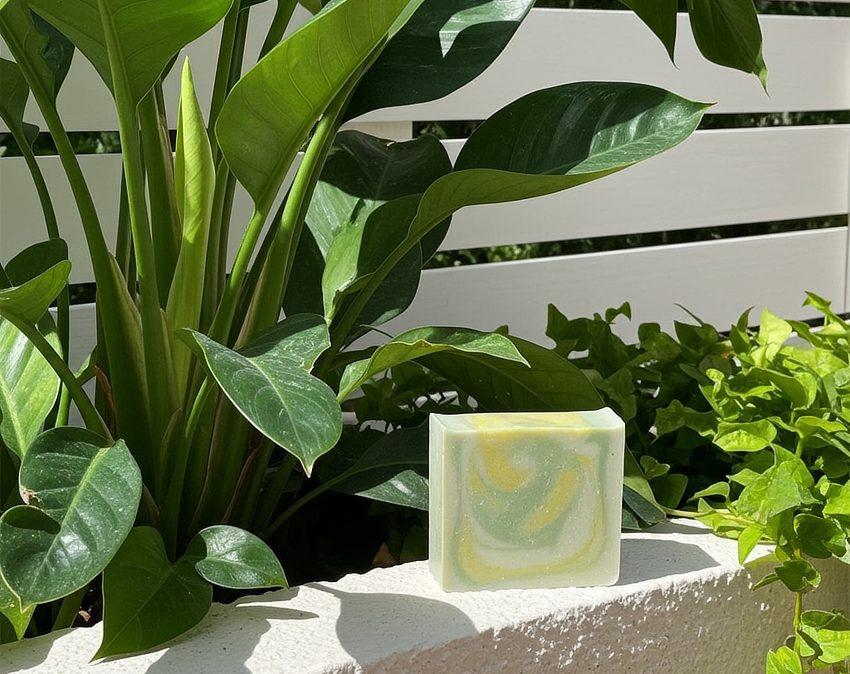
lemon, lime and may chang soap

Why Handmade Soap Doesn’t Dry Your Skin: The Amazing Science Behind the Suds

Why Handmade Soap Doesn’t Dry Your Skin

If you’ve ever washed your hands or body with commercial soap and felt tight, itchy, or dry afterward, you’re not alone. That’s a common complaint, and one of the biggest reasons many people are making the switch to handmade soap. Unlike mass-produced bars, handmade soaps are often celebrated for being gentle, nourishing, and moisturising. But what actually makes handmade soap better for your skin? And why doesn’t it leave your skin feeling dry? We explain below why handmade soap doesn’t dry your skin.

handmade shea butter soap with lavender and bergamot essential oils
handmade shea butter soap with eucalyptus and peppermint essential oils
handmade shea butter soap with rose geranium essential oil

1. Glycerin: The Skin-Loving Ingredient That Stays

One of the key differences between handmade and commercial soap is glycerin. Glycerin is a natural byproduct of the soap-making process (saponification), where oils or fats react with lye to form soap. It’s a humectant, meaning it draws moisture from the air to your skin, helping to keep it hydrated.

In many commercial soaps, glycerin is removed and sold separately for use in more expensive lotions or creams. This leaves behind a bar of soap that can clean the skin but often strips it of moisture.

In contrast, handmade soap retains its natural glycerin, making it much gentler and more moisturizing. This is one of the biggest reasons handmade soap doesn’t dry out your skin. (BTW, La Zouch Soap contains so much glycerin it sets the security scanners off at airports!). This is the main reason why handmade soap doesn’t dry out your skin.

rosemary soap
palmarosa and sweet orange soap
lemon, lime and may chang soap

2. Better Ingredients: Oils That Nourish, Not Strip

Most handmade soaps are made with plant-based oils and butters like olive oil, coconut oil, shea butter, cocoa butter, mango butter, and more. These ingredients don’t just cleanse the skin, they also nourish it.

Each oil used in handmade soap has different skin benefits. For example:

  • Olive oil is rich in antioxidants and has a mild, soothing effect.
  • Coconut oil offers cleansing power but is often balanced with more moisturising oils.
  • Shea butter is deeply moisturising and helps soothe dry or irritated skin.
  • Mango butter is loaded with rich fatty acids and is highly moisturising.

Because handmade soap recipes are carefully formulated, the oil-to-lye ratio is designed to leave a bit of extra oil in the final bar — a technique known as “superfatting.” This means there’s a slight excess of nourishing oils that remain after the saponification process, which helps moisturise and protect your skin.

3. No Harsh Detergents or Synthetic Additives

Many commercial soaps are technically not soaps at all — they’re classified as “syndet bars” (short for synthetic detergent bars). These bars often include harsh detergents, foaming agents (like SLS or SLES), preservatives, and artificial fragrances that can strip the skin’s natural oils and lead to dryness or irritation.

Handmade soaps typically avoid these harsh ingredients. They may include natural essential oils, botanicals, clays, and herbal infusions, offering a gentler, more skin-friendly cleansing experience. With fewer irritants and no synthetic detergents, handmade soap is much less likely to leave your skin feeling dry or stripped.

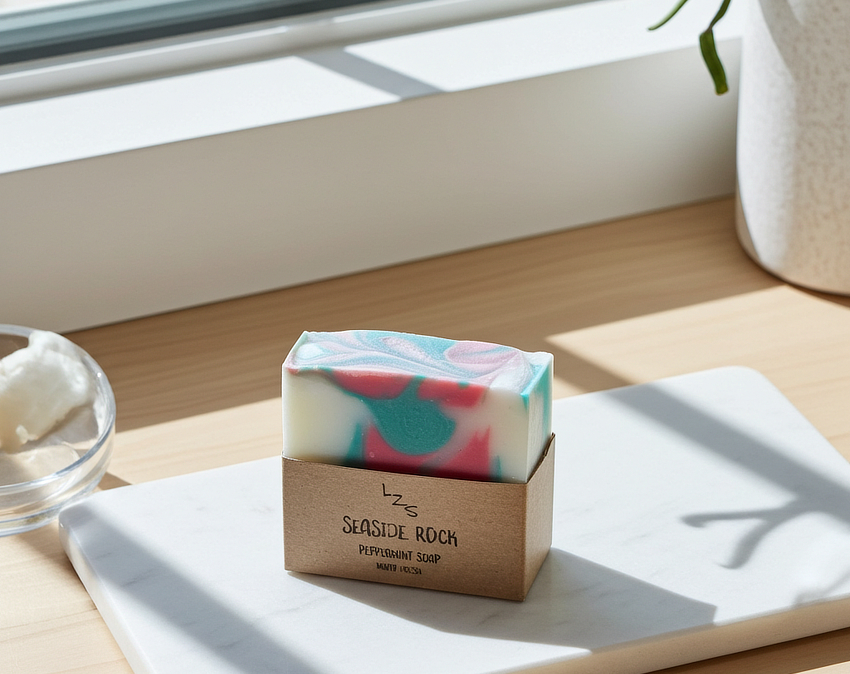
seaside rock soap
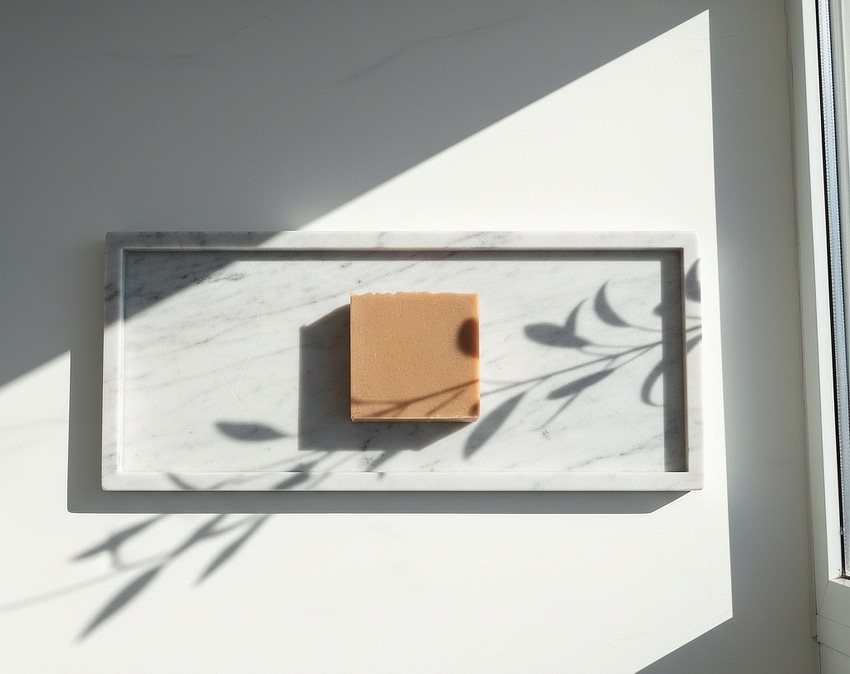
turmeric soap
lemongrass and pine soap

4. Customisable for Skin Needs

Another benefit of handmade soap is that it can be tailored to different skin types. Whether you have dry, oily, sensitive, or acne-prone skin, there’s likely a handmade soap formula suited for you. Soap makers often create specialty bars with oatmeal for soothing, charcoal for detoxifying, or coconut milk for gentle exfoliation and added creaminess.

This level of customisation ensures that the soap not only cleans but also supports your skin’s specific needs, helping it stay hydrated and healthy.

5. Handmade Soap Supports Skin Barrier Health

Your skin’s natural barrier, the outermost layer that holds in moisture and keeps irritants out , can be disrupted by harsh soaps. Handmade soap, rich in natural fats and glycerin, supports this barrier rather than damaging it.

Over time, switching to handmade soap can actually improve your skin’s texture, hydration, and resilience, especially if you’ve been using drying commercial soaps for years.

kelp soap. 
why handmade soap doesn't dry your skin
sweet orange and neroli soap
cedarwood and juniper soap

Conclusion

Handmade soap isn’t just a luxury, it’s a return to how soap was originally intended to be: simple, natural, and beneficial for the skin. With nourishing oils, retained glycerin, and none of the harsh additives found in many commercial products, handmade soap helps cleanse without drying, making it a smart choice for anyone who wants to treat their skin more gently.

Whether you’re battling dryness or simply looking for a more natural skincare option, give handmade soap a try, your skin will thank you. So now you know why handmade soap doesn’t dry your skin!

Take a look at our natural soaps here and or subscriptions here and start helping your skin today!

Free postage over £40 spend. End of School Teacher Gifts here.

"Fantastic soaps, so good for my skin"

X